Teacher Blog

Educational technology and AI tools used in teaching

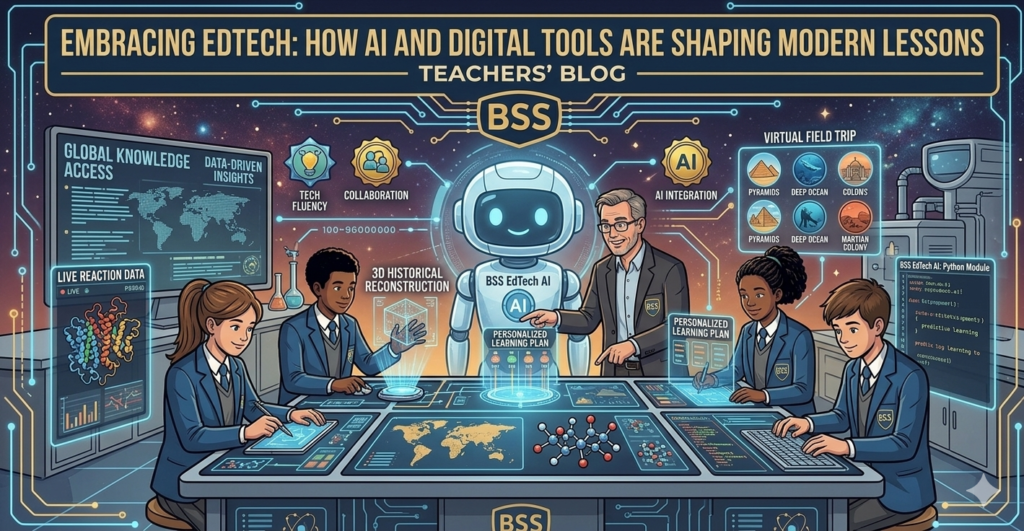
EMBRACING EDTECH: HOW AI AND DIGITAL TOOLS ARE SHAPING MODERN LESSONS

Embracing EdTech became the focus of classroom innovation this week as teachers introduced modern educational technology and AI-powered learning tools into daily lessons. Students explored how digital platforms can make learning more personalized, interactive, and engaging. Using AI and Technology in EducationAt British Scientific School, educators are integrating cutting-edge educational technology (EdTech) into different subjects to prepare students for the future. From virtual reality history tours to collaborative coding platforms and AI-assisted learning tools, technology is transforming the classroom experience. Students used digital tools to complete interactive assignments, solve problems, and collaborate with classmates in real time. In addition, teachers used adaptive learning platforms to create personalized learning paths based on students’ individual strengths and learning styles. Building Digital Skills for the FutureThe use of modern educational technology encouraged students to improve critical thinking, creativity, and technological literacy. Furthermore, students became more confident using digital platforms and online collaboration tools that are widely used in modern careers and universities. Teachers also highlighted how AI can support education by providing faster feedback, improving engagement, and helping students access information more effectively. The classroom environment became more dynamic, student-centered, and interactive. To learn more about educational technology and digital learning, students explored educational resources from Edutopia:https://www.edutopia.org/ Preparing Students for a Digital WorldAt British Scientific School, we believe that technology should empower students to become innovative thinkers and lifelong learners. Embracing EdTech showed students how AI and digital tools can enhance education while preparing them for the challenges of tomorrow. Students can also explore more educational projects and classroom activities through our Teacher Blog:https://britishscientificschool.com/teacher-blog/ This exciting learning experience demonstrated how technology can transform education into a more engaging, collaborative, and future-focused journey.

EMBRACING EDTECH: HOW AI AND DIGITAL TOOLS ARE SHAPING MODERN LESSONS Read More »
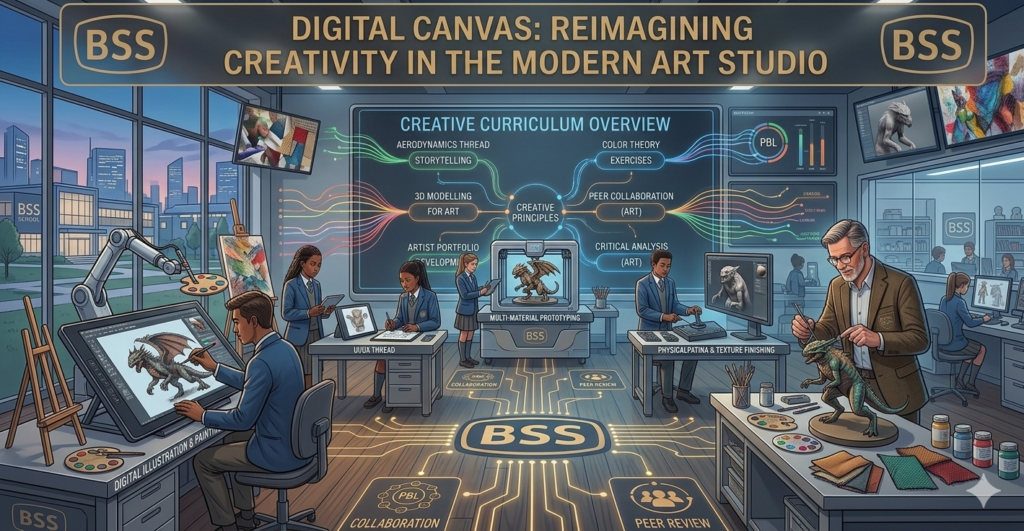
Digital art and creativity lesson at British Scientific School

DIGITAL CANVAS: REIMAGINING CREATIVITY IN THE MODERN ART STUDIO

Digital Canvas: Reimagining Creativity in the Modern Art StudioDigital Canvas became the focus of creative learning this week as students explored how technology and art can work together to create innovative visual experiences. Students combined traditional artistic techniques with modern digital design tools to develop creative projects and digital illustrations. Exploring Digital Art and DesignInside the modern art studio, students learned how to use graphic design tablets, vector illustration software, and digital painting tools. They experimented with color theory, composition, typography, and visual storytelling while creating unique digital artwork and creative media projects. Through these hands-on activities, students discovered how digital technology is transforming the creative industries. In addition, they explored how artists and designers use digital tools in animation, branding, UI design, and multimedia production. Combining Creativity and TechnologyStudents practiced blending traditional sketching techniques with modern digital illustration methods to create professional-looking artwork. Furthermore, they improved their creativity, problem-solving, and communication skills while working on collaborative design challenges. The classroom environment encouraged innovation and artistic expression while helping students become more confident using creative technology tools. Many students became inspired to explore future careers in graphic design, animation, and digital media. To learn more about digital art and creative technology, students explored educational resources from Adobe Education:https://edex.adobe.com/ Inspiring Future CreatorsAt British Scientific School, we believe that creativity and technology should work together to prepare students for the future. Digital Canvas helped students understand how modern design tools can support artistic expression while building valuable digital skills. Students can also explore more creative projects and school activities through our Student Blog:https://britishscientificschool.com/student-blog/ This exciting learning experience showed students that art, technology, and creativity can come together to inspire innovation and self-expression.

DIGITAL CANVAS: REIMAGINING CREATIVITY IN THE MODERN ART STUDIO Read More »

Students learning robotics and engineering concepts in class

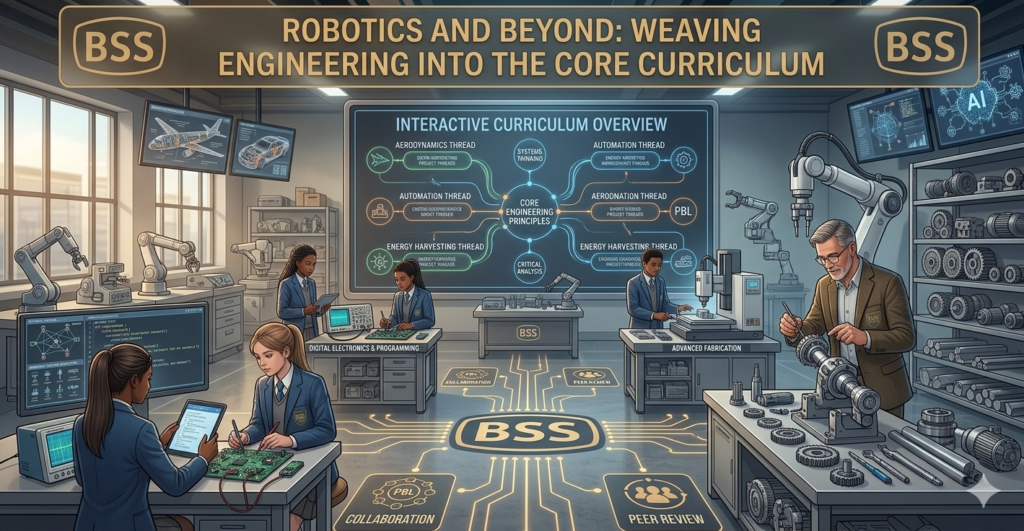
ROBOTICS AND BEYOND: WEAVING ENGINEERING INTO THE CORE CURRICULUM

Technology and engineering are shaping the future faster than ever before. This week, our students explored the exciting world of robotics through hands-on STEM activities designed to combine creativity, programming, and problem-solving skills in one interactive learning experience. Designing and Programming Robotics SystemsInside our advanced robotics lab, students worked in teams to build and program robotic systems using sensors, motors, and automation tools. They explored how robots can detect movement, respond to commands, and complete tasks using simple coding logic and engineering principles. Through these practical activities, students gained a deeper understanding of mechanical design, robotics engineering, and computational thinking. In addition, they learned how robotics is used in industries such as healthcare, transportation, manufacturing, and space exploration. Connecting Engineering with Real-World ApplicationsStudents quickly discovered that robotics is more than building machines—it is about solving real-world problems through innovation and experimentation. Furthermore, they learned how engineers improve robotic systems through testing, redesigning, and collaboration. The robotics challenges encouraged students to think critically, communicate effectively, and work together to overcome technical obstacles. Many students became increasingly interested in artificial intelligence, automation, and future technologies as they developed their projects. To learn more about robotics and engineering innovation, students explored educational resources from NASA:https://www.nasa.gov/ Building Future InnovatorsAt British Scientific School, we believe that STEM education helps students prepare for the future by combining science, technology, engineering, and creativity in meaningful ways. Robotics activities allow students to become active learners while developing valuable academic and life skills. Students can also explore more STEM projects and educational activities through our Student Blog:https://britishscientificschool.com/student-blog/ This exciting robotics experience showed students that engineering is not only about technology, but also about creativity, teamwork, and innovation.

ROBOTICS AND BEYOND: WEAVING ENGINEERING INTO THE CORE CURRICULUM Read More »

Problem based learning activities in a modern classroom

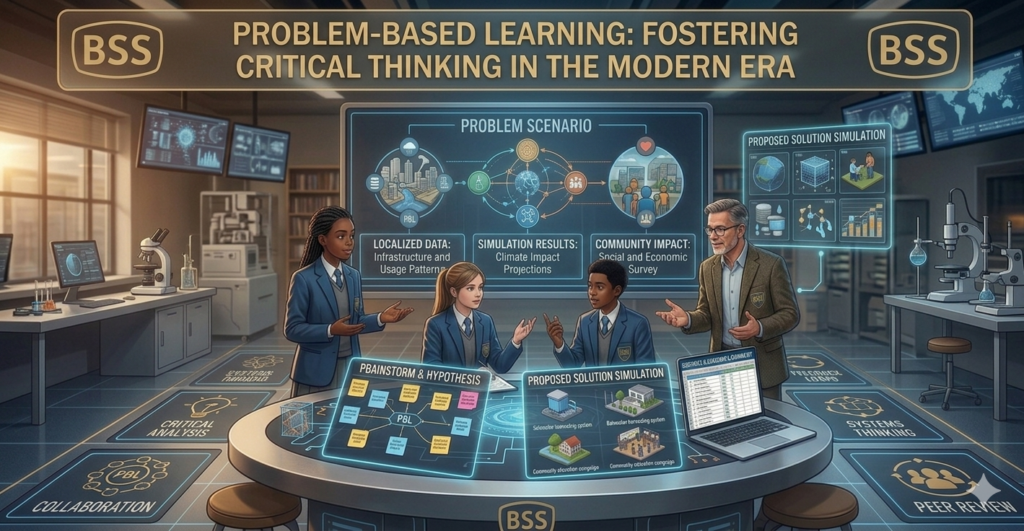
PROBLEM-BASED LEARNING: FOSTERING CRITICAL THINKING IN THE MODERN ERA

Problem-Based Learning became a key focus in our classrooms this term as students explored real-world challenges through collaborative and student-centered activities. Teachers encouraged students to think critically, conduct research, and develop creative solutions to modern global issues. Solving Real-World ChallengesInstead of memorizing facts, students worked on practical projects connected to important topics such as urban sustainability, climate change, and data privacy. Through teamwork and guided research, students analyzed problems and proposed innovative engineering and social solutions. This modern educational approach helped students improve communication, creativity, and decision-making skills. In addition, students learned how to evaluate information, ask meaningful questions, and work effectively in groups. Encouraging Critical Thinking and CollaborationTeachers shifted their role from traditional lecturers to learning facilitators who guided students throughout the research and problem-solving process. Furthermore, students became more independent learners and actively participated in classroom discussions and presentations. Problem-based activities also helped students build resilience, leadership, and confidence while preparing them for university studies and future careers. The classroom environment became more interactive, engaging, and focused on deeper understanding rather than simple memorization. To learn more about problem-based learning and modern education strategies, students explored educational resources from Edutopia:https://www.edutopia.org/ Preparing Students for the FutureAt British Scientific School, we believe that modern education should prepare students to solve real-world problems and become innovative thinkers. Problem-Based Learning encouraged students to connect academic knowledge with practical applications in meaningful and exciting ways. Students can also explore more educational activities and classroom projects through our Teacher Blog:https://britishscientificschool.com/teacher-blog/ This engaging learning experience demonstrated how critical thinking, collaboration, and creativity can help students succeed

PROBLEM-BASED LEARNING: FOSTERING CRITICAL THINKING IN THE MODERN ERA Read More »

Gamified classroom learning activities for students

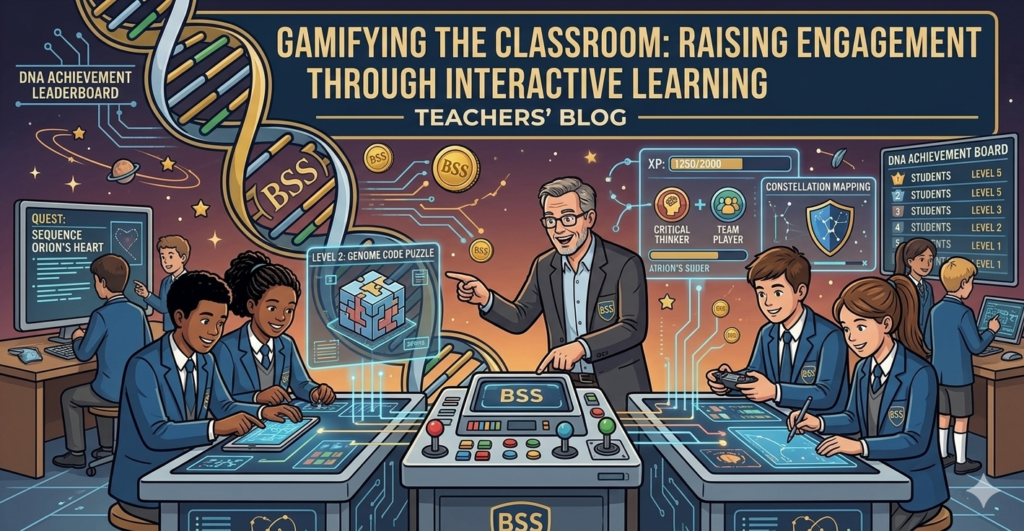
GAMIFYING THE CLASSROOM: RAISING ENGAGEMENT THROUGH INTERACTIVE LEARNING

Gamifying the Classroom: Raising Engagement Through Interactive LearningGamifying the Classroom became the focus of our educational activities this week as teachers explored creative ways to make learning more engaging, interactive, and student-centered. By introducing digital quizzes, teamwork challenges, and problem-solving competitions, classrooms became more dynamic and motivating for students. Interactive Learning in Modern EducationModern education is rapidly evolving toward student-centered learning environments. Teachers at British Scientific School used gamification techniques to transform traditional lesson plans into exciting classroom experiences that encourage participation and collaboration. Through interactive activities and digital learning tools, students became active learners instead of passive listeners. They worked together to solve challenges, answer quiz questions, and complete educational missions while improving communication and critical thinking skills. Boosting Student Engagement and MotivationStudents responded positively to the gamified learning experience. In addition, teachers noticed higher levels of classroom participation, focus, and knowledge retention. Many students felt more confident when learning through games, competitions, and collaborative activities. Furthermore, gamification helped students develop teamwork, creativity, and decision-making skills while making lessons more enjoyable and memorable. The use of technology also helped teachers create personalized and engaging educational experiences for different learning styles. To learn more about gamification and interactive education, students explored educational resources from Edutopia:https://www.edutopia.org/Preparing Students for the Digital FutureAt British Scientific School, we believe that innovative teaching methods help students become more motivated and independent learners. Gamifying the Classroom showed students that education can be both highly effective and deeply enjoyable. Students can also explore more educational activities and school projects through our Teacher Blog:https://britishscientificschool.com/teacher-blog/ This exciting learning approach encouraged students to stay curious, collaborate with classmates, and enjoy the learning process in new and creative ways.

GAMIFYING THE CLASSROOM: RAISING ENGAGEMENT THROUGH INTERACTIVE LEARNING Read More »